QUICK ANSWER
If your St. Pete Beach or Treasure Island home or condo has water damage, stop the source if it is safe, tell the association or manager if you are in a condo, photograph everything, call your insurer and get drying started quickly. Both cities share ZIP 33706, which is listed for Water Damage in the partner network directory. Call (708) 918-8938 to confirm availability for your address. We are a referral service, not a restoration contractor.
St. Pete Beach and Treasure Island at a glance
St. Pete Beach and Treasure Island are two separate cities on the barrier islands west of St. Petersburg, strung along Gulf Boulevard and sharing the 33706 ZIP code. St. Pete Beach runs about five miles from Blind Pass down to historic Pass-a-Grille at the island’s southern tip. Treasure Island sits just to the north, across Blind Pass, with Madeira Beach beyond John’s Pass. Housing is a mix of older ground-level cottages, canal-front homes on the finger isles, mid-rise condos and converted motels.
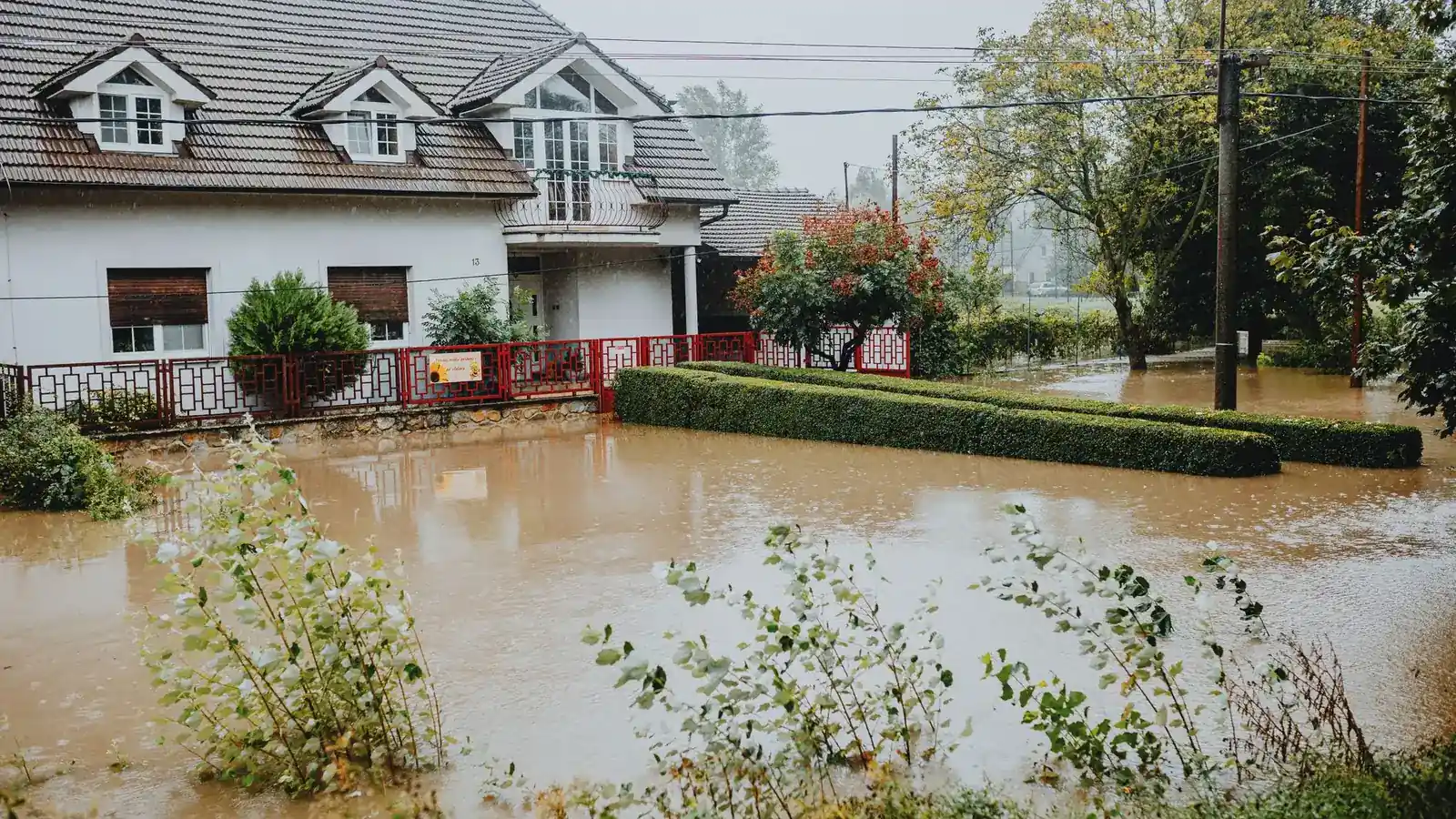
Hurricane Helene’s surge in September 2024 and Hurricane Milton two weeks later caused what St. Pete Beach calls widespread and extensive damage, and both cities are still working through repair permits and substantial damage reviews. That history matters for any new leak: many homes have been gutted and rebuilt once already, and the city keeps track of repair costs.
What causes water damage in 33706
- Surge and tidal flooding. Low streets, ground-floor units and canal-front lots flood first. Rising water is a flood loss, usually handled under a flood policy rather than homeowners or condo coverage, and salt water leaves residue that keeps drywall and framing damp longer.
- Leaks between condo units. A supply line, water heater, washing machine or toilet in one unit can reach several units below through walls and plumbing chases.
- AC condensate and air handlers. Clogged drain lines and sweating ducts are a constant in this humid climate, and closet air handlers often leak into the unit or ceiling below.
- Wind-driven rain. Gulf-facing sliders, balcony thresholds and windows let water in during storms, especially on upper floors.
- Rentals and second homes. Vacation and seasonal units can leak for days before anyone notices, so hidden moisture and mold are more likely. Tell the provider when the unit was last checked.
- Rebuilt homes with new finishes. If your home was gutted after 2024, a new leak can damage finishes that are only a year or two old. Photograph them before anything is removed.
What you can do before a permit
Each city has its own building department, so the rules depend on which side of Blind Pass you are on.
Treasure Island
The city says the only building work allowed before a permit is removing flood-damaged materials such as flooring, baseboards, drywall and cabinetry. It encourages owners to go ahead with removal and notify the city at permits@mytreasureisland.org. During declared storm recoveries it accepts permits for interior demolition after the fact, because the work cannot wait. Repairs such as new drywall, a water heater, HVAC equipment, electrical service, windows and doors, and structural repairs need permits. You can apply online through the city’s OPPS portal, by email, or at Community Development, 10451 Gulf Blvd.
St. Pete Beach
The city lists work that does not need a building permit: painting, carpet over finished flooring, emergency tarps to keep more water out, removing washed-up debris, replacing less than one square (10 ft by 10 ft) of asphalt shingles when the underlayment and sheathing are sound, and repairing minor leaks that do not alter structural, mechanical, plumbing or electrical systems. Other work needs a permit before it starts, applied for online through the city’s iWorQ portal.
In both cities, emergency water removal and drying are about stopping further damage. Ask the provider to invoice them separately from any rebuild, so your insurer and the building department can see each part.
The 50% rule in St. Pete Beach and Treasure Island
Under the National Flood Insurance Program and the Florida Building Code, a building in a special flood hazard area that does not meet current flood standards must be brought into compliance, usually by elevating it, when the cost of repairs or improvements reaches 50% of the structure’s market value. Land value is not included. Both cities apply the rule to nearly every property:
- St. Pete Beach says nearly all properties in the city are in the special flood hazard area. In 2026 it began requiring a substantial improvement/substantial damage review packet with permit applications for work on homes and commercial buildings built before 2021, the year of the latest flood maps. After Helene and Milton the city hired a state-authorized vendor to estimate damage from exterior inspections and public data, and owners can appeal with their own estimate, appraisal and photos. Buildings on the local historic register, or contributing to the Pass-a-Grille Historic District, may be exempt. Ask Planning and Zoning before you design repairs.
- Treasure Island says the whole city is in the special flood hazard area. The Floodplain Administrator and Building Official decide on substantial damage from the full repair cost in the permit application. The city says owner labor and donated materials cannot be discounted, and that maintenance work is logged toward the 50% threshold, with a renovation form required even for work that does not need a permit. For condos and townhomes it asks for a letter from the association allocating repair costs for the whole building.
To find a structure value in either city, the Pinellas County Property Appraiser (pcpao.gov) has a FEMA/WLM letter for each property, or you can submit an actual cash value appraisal by a Florida-licensed appraiser. If your home is found substantially damaged and you have federal flood insurance, ask your adjuster about Increased Cost of Compliance coverage before demolition. Treasure Island owners can request a determination letter at flood@mytreasureisland.org.
Condo leaks in 33706
Many calls here involve condos. Florida’s condominium law (s. 718.111(11), Florida Statutes) generally makes the association insure the building as originally installed, while unit owners cover interior finishes, cabinets, appliances and water heaters, and an owner whose negligence caused a leak can be charged for costs insurance does not pay. Your declaration can change the details. Our Florida condo leak responsibilities guide explains the rules, including board consent before reconstruction. Report the leak to the manager right away and start drying while responsibility is worked out.
Listed ZIP for water damage
Checked November 18, 2026 against the partner network’s coverage directory (last sync November 17, 2026). Confirm the exact property, job type and appointment with the receiving provider.
St. Pete Beach, Treasure Island and Pass-a-Grille
33706
If walls stayed wet, 33706 is also listed for mold remediation. See mold removal in the St. Petersburg area and mold after water damage.
What to do first
- Shut off the water at the main or the fixture, if it is safe to do so.
- Keep away from wet outlets, cords and the electrical panel. After surge, do not turn power back on until it has been checked.
- Photograph the source, the water line on walls and damaged belongings before anything is removed.
- Report the loss to your insurer (and the association, for a condo) and note the claim number.
- If you are in Treasure Island and removing wet materials, email the city at permits@mytreasureisland.org.
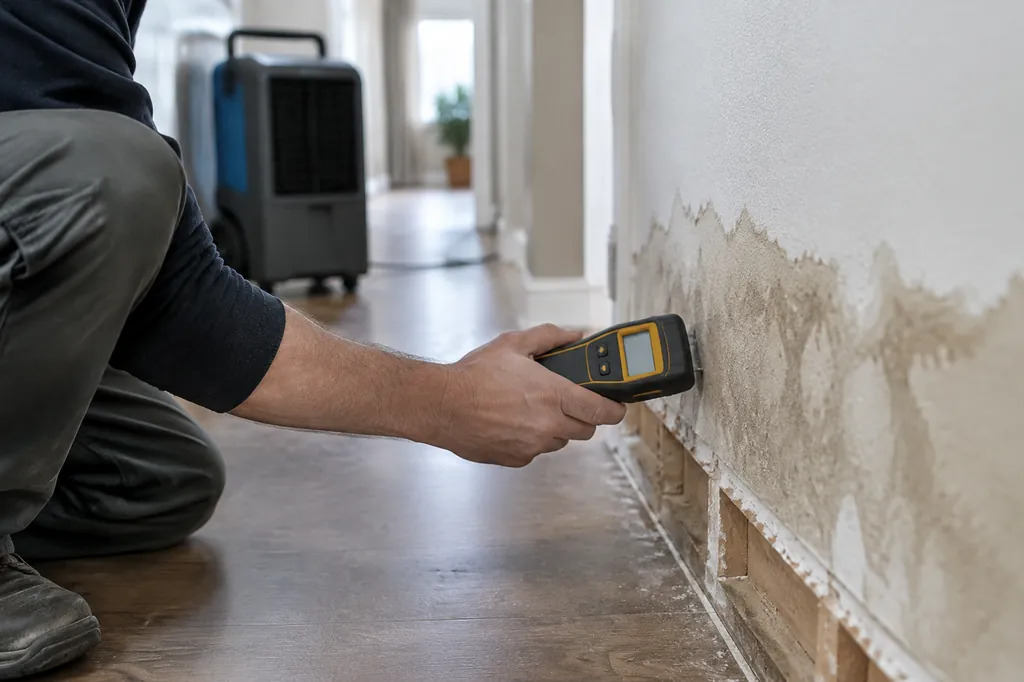
- Ask the provider how they will measure moisture inside walls and floors.
St. Pete Beach and Treasure Island contacts
- Immediate danger: call 911.
- Water main break or water supply problem (both cities): Pinellas County Utilities owns the drinking water system. 24-hour emergency and automated line: (727) 464-4000.
- St. Pete Beach sewer problems: Public Services Department, (727) 363-9243.
- St. Pete Beach permits and the 50% rule: Building Department, (727) 367-2735, option 1 then option 1, or permits@stpetebeach.org. Historic register and Pass-a-Grille questions: Planning and Zoning, (727) 367-2735, options 1 and 4, or planning@stpetebeach.org.
- Treasure Island permits and flood determinations: Community Development, 10451 Gulf Blvd, (727) 547-4575; permits@mytreasureisland.org or flood@mytreasureisland.org.
- Storm scams or price gouging: Pinellas County Consumer Protection, (727) 464-6200, or the Florida Attorney General’s hotline, 1-866-9-NO-SCAM.
- Before a storm: get your free barrier island re-entry permit through the Pinellas County Sheriff’s Office or at your city hall, and check your evacuation zone on Pinellas County’s Know Your Zone map.
These numbers are listed by the cities and county for their own services; they do not send restoration crews.
What the water damage scope should cover
Ask the provider to put these in writing before work starts:
- The water source and category (clean supply water, gray water, or flood and sewage water) and how that was decided.
- Every affected area, including units below or beside you, garages and storage under elevated homes.
- What will be removed and why, with photos, since removed materials may be needed for both an insurance claim and a city cost review.
- How moisture will be measured, how often, and what reading counts as dry.
- Emergency mitigation (water removal, drying, tear-out) priced separately from any rebuild.
- Building rules for condos, such as elevator use, work hours, equipment parking on Gulf Boulevard lots and the certificates of insurance the manager requires.
- What is excluded, such as plumbing or AC repair, mold remediation and reconstruction, and how added work is approved.
Our water damage cost factors guide covers the common line items.
Rebuilding after the water is out
Drying is not rebuilding. Repairs that need a permit go through the St. Pete Beach or Treasure Island building department, and condo work may also need association approval. Florida contractors doing the rebuild should hold the right license. Check it with the Florida DBPR license lookup before signing, and make sure every permit is inspected and closed so later repairs are not held up.
Questions to ask on your call
- Do you serve my exact address in St. Pete Beach or Treasure Island, including my building and unit?
- What does the first visit include, and is there a fee?
- Which work is emergency mitigation and which is repair?
- How will you document the work for my insurer and the city?
- Who pulls any permits, and what applicable license covers the rebuild? Verify it with the Florida DBPR license lookup.
Related help
St. Petersburg water damageMold removal near St. PetersburgAll Pinellas County listingsWater damage cost factors
Nearby Pinellas County pages
Madeira BeachGulfportSt. PetersburgSeminoleIndian Rocks Beach
Frequently asked questions
Is water damage restoration available in St. Pete Beach and Treasure Island?
Can I tear out wet drywall in Treasure Island before I have a permit?
What work needs no permit in St. Pete Beach?
Does the 50% rule apply to my St. Pete Beach or Treasure Island home?
Who do I call about a water main break or the water supply?
Are you a St. Pete Beach or Treasure Island restoration company?
Sources: City of St. Pete Beach Hurricane Recovery Permitting Information, Substantial Damage Determination & Appeal Process, 2026 SI/SD packet, City Manager report (March 2026), Utility providers; City of Treasure Island Post-Hurricane Rebuild FAQ, Storm Recovery Permitting Guide, Drinking Water; Pinellas County Report a Water Issue; Pinellas County Sheriff’s Office Emergency Access Permit; Florida Statutes s. 718.111. Reviewed November 18, 2026. Phone numbers belong to those agencies; check their sites for changes.
This website does not claim a local office in St. Pete Beach or Treasure Island. General information, not a property assessment.