QUICK ANSWER
If your Clearwater Beach condo or home has water damage, stop the source if it is safe, tell the building manager or association if you are in a condo, photograph the damage, call your insurer and arrange professional drying quickly. ZIP 33767 is listed for Water Damage in the partner network directory. Call (708) 918-8938 to confirm availability for your address.
Clearwater Beach at a glance
Clearwater Beach is the barrier-island part of the City of Clearwater, reached by the Memorial Causeway. The city groups it with Island Estates and its part of Sand Key when it talks about the barrier island. Much of the housing is condominiums and hotel-condos, with older ground-level houses on the side streets and canal-front homes on Island Estates.
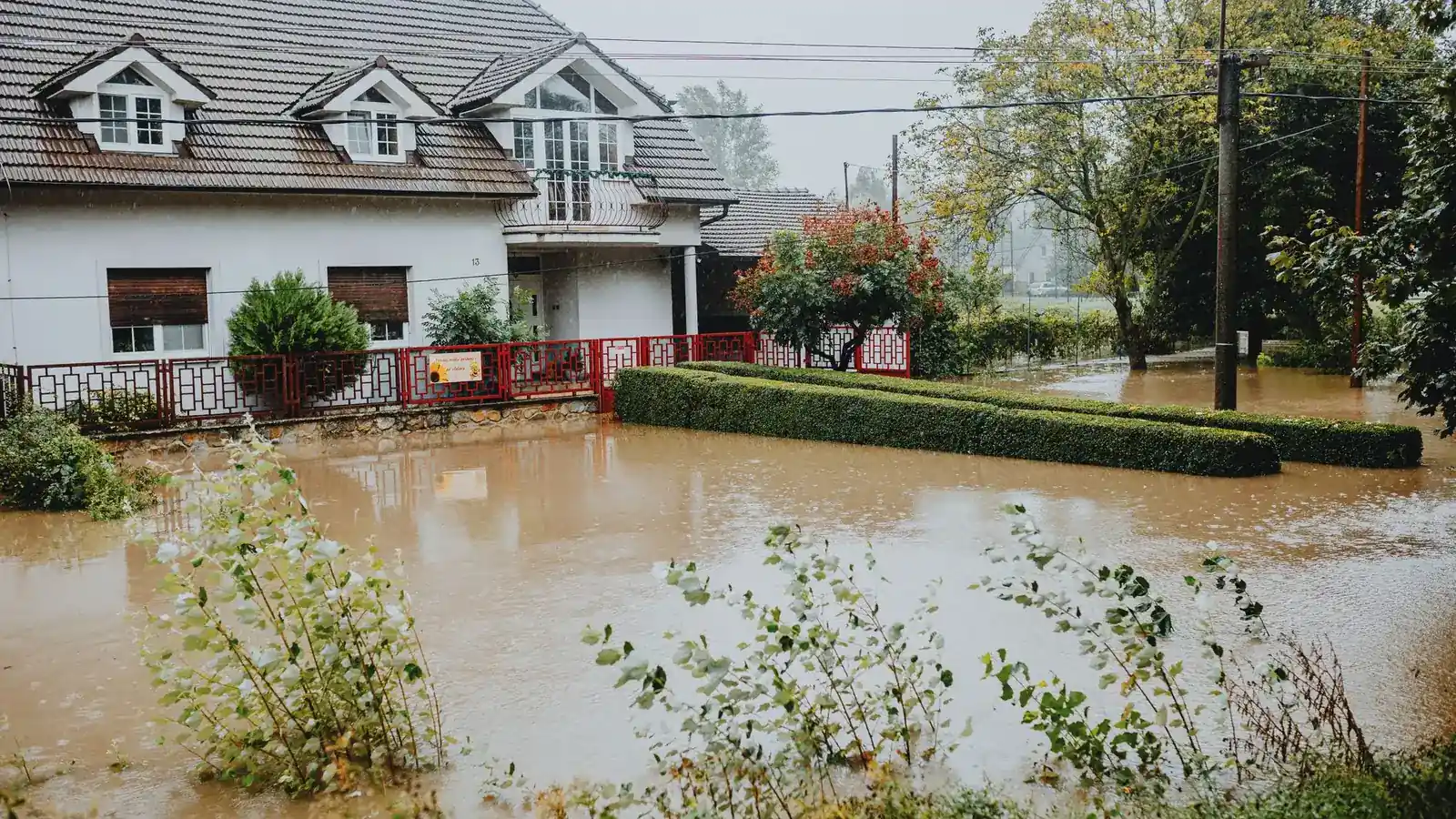
Hurricane Helene’s surge in September 2024 flooded ground floors and left sand on roads, homes and businesses that city crews had to clear. The city reported that its debris contractor began collecting carpet, drywall, furniture and other demolition debris on Island Estates, Clearwater Beach and Sand Key on October 1, 2024, and stored contaminated sand in beach parking lots. Hurricane Milton followed in October 2024, and the city later contracted substantial damage assessments for both storms. Many owners are still dealing with repairs, insurance and second leaks.
What causes water damage on Clearwater Beach
- Storm surge and salt water. Surge reaches ground-floor units, lobbies, garages and older houses first. It is a flood loss, usually handled under a flood policy, and salt residue keeps drywall and framing damp longer.
- Unit-to-unit leaks. A supply line, water heater, washing machine hose or toilet in the unit above can reach several floors through walls, ceilings and plumbing chases.
- AC condensate lines and air handlers. Clogged drain lines and sweating ducts in closets are common in humid, mostly sealed condo units, and the leak often shows up in the unit below.
- Wind-driven rain. Gulf storms push water through sliding doors, balcony thresholds, windows and roof edges, especially on upper floors facing the water.
- Units left empty. Seasonal and rental units can leak for days before anyone notices, so hidden moisture and mold are more likely. Tell the provider when the unit was last occupied.
- Salt-air corrosion. Salt air wears out AC equipment, water heater fittings and exterior plumbing faster than inland.
Condo leaks: who is responsible in Florida
Most Clearwater Beach calls involve a condominium, so it helps to know the default rules in section 718.111(11) of the Florida Statutes. Your own declaration of condominium can change some of them, so read it or ask the manager.
- The association’s policy covers the condominium property as originally installed, but it must exclude personal property and, inside each unit, floor, wall and ceiling coverings, electrical fixtures, appliances, water heaters, water filters, built-in cabinets and countertops, and window treatments. Those are the unit owner’s responsibility to insure.
- After an insurable event, the association repairs the parts it must insure as a common expense, and its deductible is generally a common expense too. A unit owner can be charged for costs insurance does not pay if the damage came from that owner’s or their tenant’s or guest’s negligence, intentional conduct or failure to follow the declaration or rules.
- Reconstruction after a property loss is undertaken by the association unless the board gives the owner prior written consent, and the board can set conditions on repair methods and contractors. Owners must get the required permits before reconstruction starts.
- Access. The association has a right of access to units when needed to repair common elements or prevent damage to other units, which matters when the source is in a neighbor’s unit or a shared riser.
- Report it promptly. The statute says the association does not have to pay for losses an owner knew about but did not report until after the association’s claim was settled or denied.
Owners can ask to inspect the association’s official records, which include its current insurance policies and building inspection reports. See section 718.111 on the Florida Legislature website.
Listed Clearwater Beach ZIP for water damage
Checked November 10, 2026 against the partner network’s Water Damage directory (list dated October 22, 2026). Confirm the exact property, job type and appointment with the receiving provider. The rest of the city’s ZIPs are on the Clearwater water damage page.
Clearwater Beach
33767
What to do first
- Shut off the water at the main or the fixture, if it is safe to do so.
- Keep away from wet outlets, cords and the electrical panel.
- Photograph the source, the standing water and damaged belongings.
- Report the loss to your insurer and note the claim number.
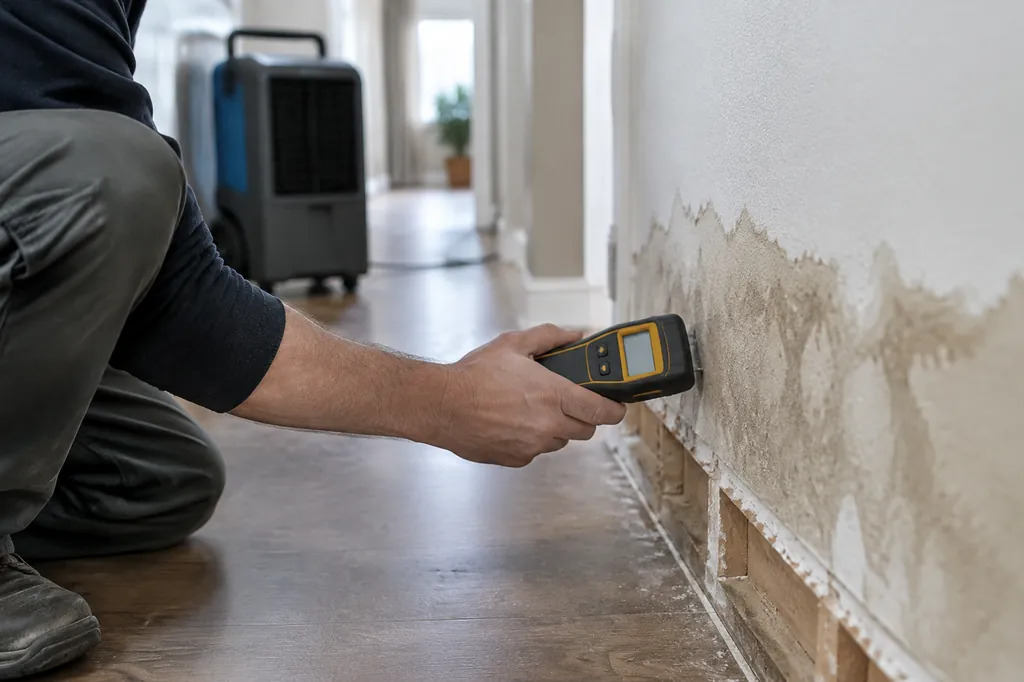
- Ask the provider how they will measure moisture inside walls and floors.
Clearwater Beach contacts to know
- Immediate danger: call 911.
- City water main break, water or gas emergency: Clearwater’s 24/7 emergency dispatch line, (727) 462-6633. For billing or account questions, Clearwater Utility Customer Service is (727) 562-4600.
- Rebuilding, permits and the 50% rule: City of Clearwater Planning and Development, (727) 562-4567.
- Storm scams or price gouging: Pinellas County Consumer Protection, (727) 464-6200, or the Florida Attorney General’s hotline, 1-866-9-NO-SCAM.
- Before a storm: look up your evacuation zone on Pinellas County’s Know Your Zone map, and keep your barrier island re-entry permit with your ID so you can get back on the island afterward.
These numbers are listed by the city and county for their own services; they do not send restoration crews.
Flood zones and the 50% rule on Clearwater Beach
The City of Clearwater has an interactive flood zone map where you can search an address for its flood zone, base flood elevation, any elevation certificate on file, and past substantial improvement or damage records. Flood zones and evacuation zones are different, so check both.
The city says a permit is required for remodeling, demolition or work over $500 or that needs an inspection. A building in a mapped flood hazard area that is not built to current flood standards and is substantially damaged or improved must be brought into compliance, which means elevating the building and its electrical and mechanical equipment above the 100-year flood elevation, with only parking, access and limited storage below. The city’s review uses the tax-assessed value of the structure (not the land) unless you submit a licensed appraisal, and it needs a complete repair estimate signed by a licensed general contractor, with pre-storm prices used for damage repairs. Keep every estimate and receipt.
What the water damage scope should cover
Ask the provider to put these in writing before work starts:
- The source of the water and its category (clean supply line, gray water, or flood and sewage water), and how that was decided.
- Every affected room, including the unit below or beside you and any common areas the water reached.
- What will be removed (baseboards, drywall, flooring, cabinets) and who approved it: you, the association or both.
- How moisture will be measured, how often, and what reading counts as dry.
- Which items are yours to insure and which are the association’s, so photos and invoices go to the right claim.
- Building rules for the job, such as elevator reservations, work hours, parking for equipment and certificates of insurance the manager requires.
- What is excluded, such as plumbing repair, AC repair, mold remediation or rebuilding, and how added work is approved.
Our water damage cost factors guide covers the common line items. If walls were wet for days, read mold after water damage.
Permits and rebuilding on Clearwater Beach
Drying is not rebuilding. Repairs that need a permit go through the City of Clearwater, and condo work may also need association approval. Florida contractors doing the rebuild should hold the right license. Verify it with the Florida DBPR license lookup before signing.
Questions to ask on your call
- Do you serve my exact Clearwater Beach ZIP, building and unit?
- What does the first visit include, and is there a fee?
- Which work is emergency service and which is repair?
- How will you document the work for my insurer?
- What applicable license covers the rebuild? Verify it with the Florida DBPR license lookup.
Related help
Clearwater water damageMold removal in ClearwaterAll Pinellas County listingsWater damage cost factors
Nearby Pinellas County pages
ClearwaterDunedinIndian Rocks BeachMadeira BeachLargo
Frequently asked questions
Is water damage restoration available on Clearwater Beach?
Water from the condo above came into my unit. Who pays?
Can I hire my own company to repair my Clearwater Beach condo?
Does the 50% rule apply on Clearwater Beach?
Is storm surge damage covered by my condo or homeowners policy?
Are you a Clearwater Beach restoration company?
Sources: City of Clearwater Public Utilities, Flood Zones & Elevations, Substantial Damage, the city’s substantial damage review notice and its October 2, 2024 barrier island update; Pinellas County Evacuation; Florida Statutes s. 718.111. Reviewed November 10, 2026. Phone numbers belong to those agencies; check their sites for changes.
This website does not claim a local office on Clearwater Beach. General information, not a property assessment.